Freddy Danneel (Collection privée)
1929 – 2008
Peintre de surréalisme magique et sculpteur
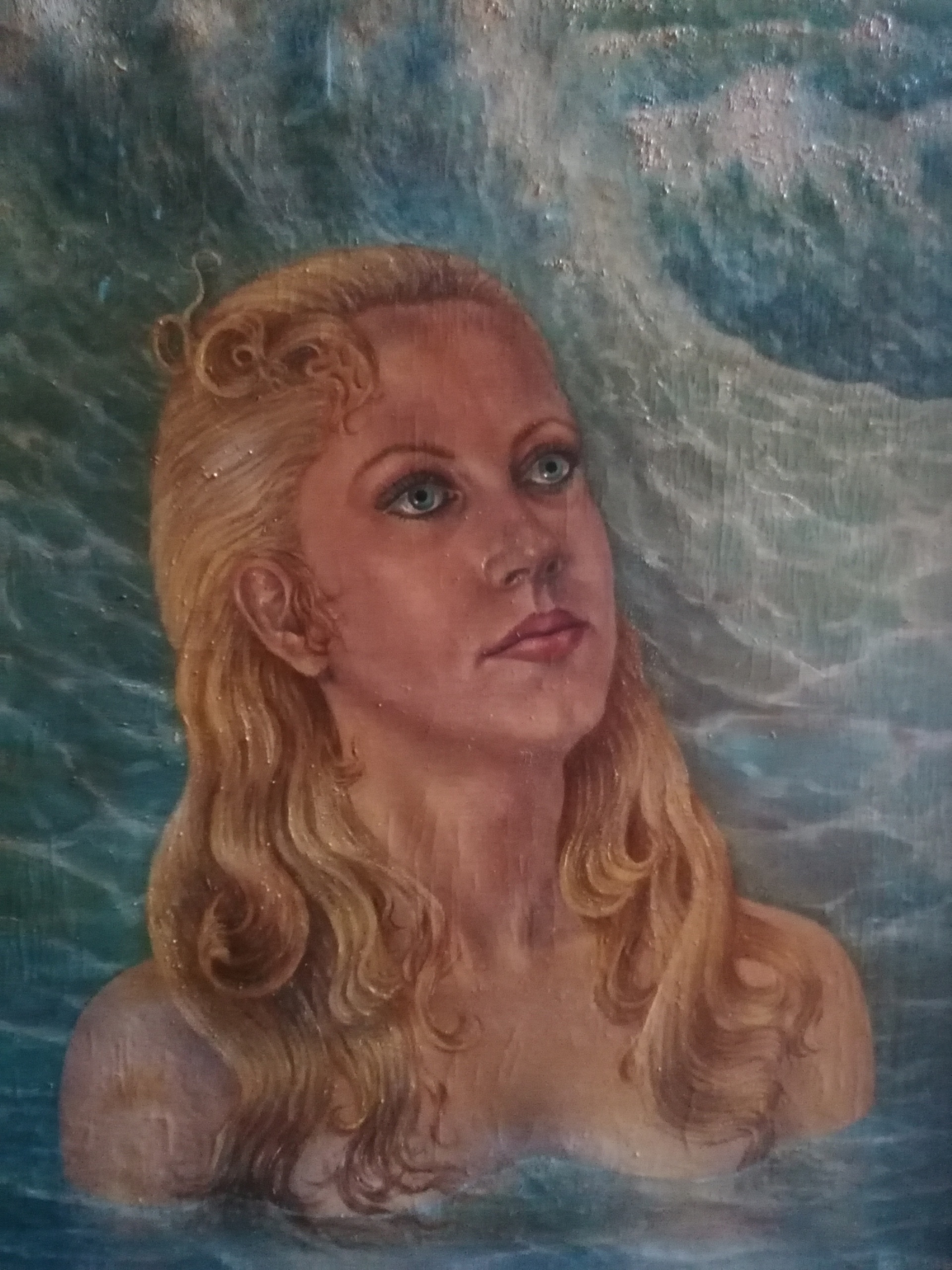
La Source est exposée à Oostende.
Freddy Danneel: A Pioneering Vision in Nude and Religious Art
Introduction: A Journey through Figurative and Spiritual Art
When it comes to Belgian artistry, the name Freddy Danneel, often known by his artist’s name “d’Anneel,” stands as a testament to the fusion of tradition and modernity. Born on December 12, 1929, in Oostende, and passing away on September 10, 2008, in Roeselare, Danneel was a versatile artist specializing in painting and sculpture. His work predominantly centered on nude figures and religious themes, offering an intriguing blend of the corporeal and the spiritual.
The Formative Years: A Belgian Artistic Upbringing
Danneel received his education at the Royal Academy of Fine Arts in Brussels, under the tutelage of masters like J. Ransy, Fernand Deboinnares, and Charles Verhasselt. These early years were critical in shaping his artistic voice, especially his focus on nude and religious art forms.
The Teacher and The Mentor: Legacy through Education
In addition to his artistic endeavors, Danneel contributed to the art community as an educator. He taught at the École d’Arts Plastiques et Visuels in Ukkel, where he mentored several budding artists, including Peter Permeke, a descendant of the famous Constant Permeke. His influence as a teacher helped disseminate his nuanced approach to figurative and spiritual art, ensuring his impact reached beyond his own studio.
The Landscape Phase: Westhoek and Its Influence
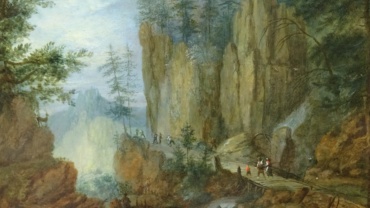
Danneel’s life underwent a significant change when he moved to Nieuwkapelle-Diksmuide in Westhoek in 1988. This relocation inspired him to branch out into landscape watercolor paintings. The idyllic settings of the Westhoek region added a new dimension to his oeuvre, as he found a fresh source of inspiration in the natural world around him.
Themes and Techniques: The Nude and The Divine
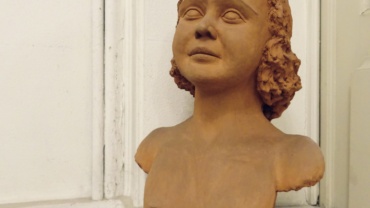
In painting, Danneel navigated primarily through themes of the nude and the religious. His sculptures also followed a similar thematic focus, majorly featuring nude figures. In a world often rife with conflict between the corporeal and the spiritual, Danneel’s work acted as a bridge, unifying these two realms through his artistic vision.
Conclusion: Celebrating the Multi-Faceted Talent of Freddy Danneel
Although no longer with us, Freddy Danneel’s influence persists through his extensive portfolio and the artists he mentored. As a painter, sculptor, and teacher, Danneel leaves behind a lasting legacy that enriches both the Belgian and international art scenes.